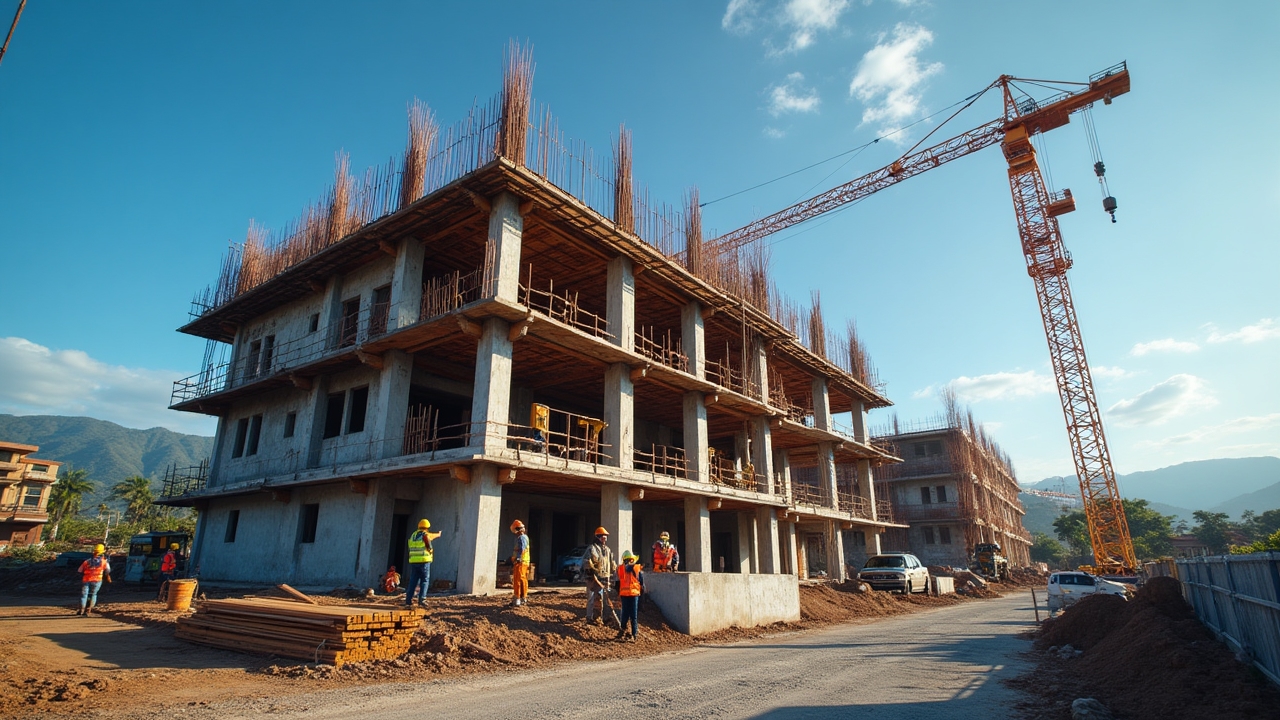
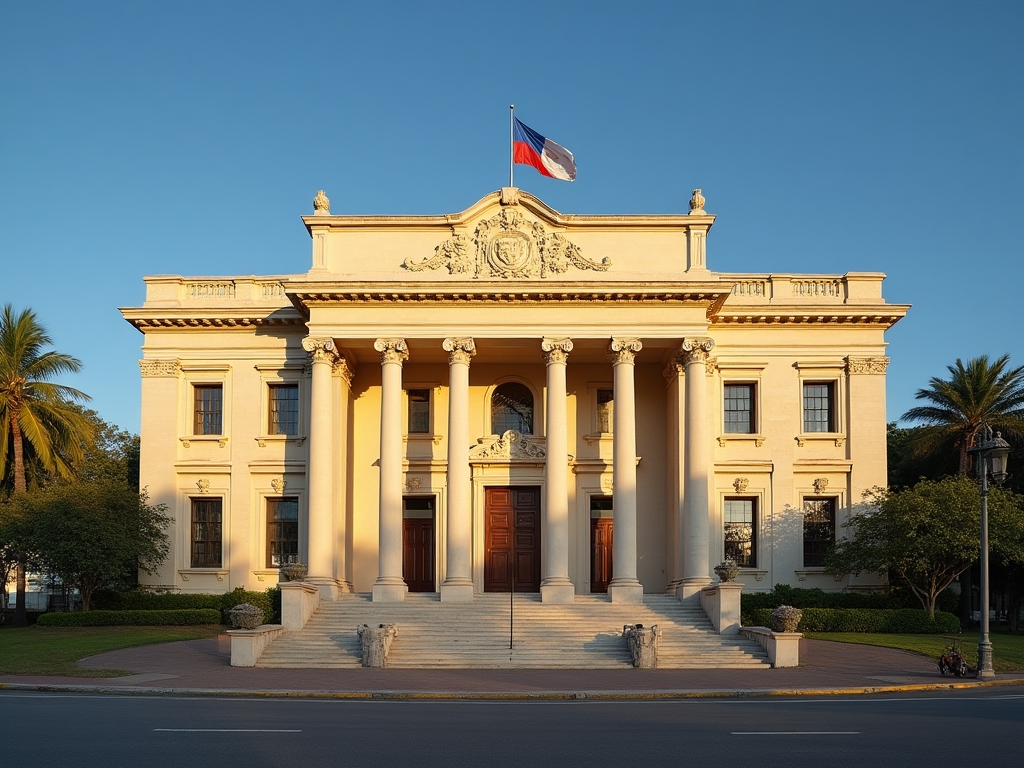
Coordenadasvida is your comprehensive educational resource for understanding every step of the municipal authorization process in Guatemala. From initial planning to final approval, we provide the knowledge you need to move forward confidently with your construction project.
In Guatemala, the construction permit acquisition process can seem complex for landowners embarking on projects for the first time. Coordenadasvida was born from the need to democratize knowledge about municipal procedures, ensuring that every citizen has access to clear, accurate, and updated information about the legal requirements for building.
Our commitment is to education and transparency. Through detailed guides, step-by-step explanations, and practical resources, we empower landowners to understand their rights, obligations, and the correct path toward construction authorization. We understand that each project is unique, and therefore we provide information covering everything from small residential expansions to more complex commercial developments.
Guatemalan legislation establishes specific regulatory frameworks designed to protect both builders and communities. When owners understand these frameworks, they can better plan their projects, avoid costly delays, and ensure regulatory compliance from the outset. This knowledge not only accelerates approval times but also contributes to safer and more sustainable constructions that benefit all of Guatemalan society.

Obtaining a construction permit in Guatemala involves navigating through several regulatory stages. Each phase has specific requirements that must be met to advance. Understanding this workflow allows you to plan appropriately and gather necessary documentation in advance.
The first fundamental step consists of verifying your property's zoning and determining what type of construction is permitted according to the municipal territorial planning plan. During this phase, owners must consult the Urban Planning Plan (POU) in effect in their municipality to confirm that their proposed project aligns with the designated land use for that specific area. This early verification prevents investments in designs that could subsequently be rejected. Additionally, it is the time to identify any applicable special restrictions, such as environmental protection areas, historic zones, or easements that may affect the design and location of the construction.
Once the project's viability according to zoning is confirmed, the preparation of required architectural plans and technical studies proceeds. These documents must be prepared by duly registered professionals in Guatemala, including architects, civil engineers, and, when necessary, specialists in structures and systems. Plans must include architectural floor plans, elevations, sections, construction details, structural calculations, and complete technical specifications. Simultaneously, the property's legal documentation is gathered: updated deeds, proof of no debt on the IUSI, certification from the Property Registry, and the owner's identification document. The quality and completeness of this documentation will largely determine the speed of the municipal review process.
The complete documentation is formally submitted to the Municipal Planning Directorate or equivalent office in your municipality. The file is registered and assigned to reviewing technicians who will verify compliance with building codes, municipal regulations, and applicable national regulations. This technical review process can take several weeks, depending on the project's complexity and the municipality's workload. During this stage, it is common for reviewers to request clarifications or minor modifications to the plans. Responding quickly to these observations is crucial to maintain the process flow. Owners or their representatives must maintain active communication with the municipality to address any additional requirements that arise during technical analysis.
Once the project has passed all technical reviews and complete regulatory compliance has been confirmed, the municipality issues the approval resolution and the corresponding construction license. This official document legally authorizes the commencement of works and establishes the conditions under which the project must be executed. The license specifies the validity period, generally between 12 and 24 months depending on the project scope, during which works must be completed. With the license in hand, the owner proceeds to pay the corresponding municipal fees, which are calculated according to the construction area and estimated work value. It is essential to visibly display the license at the construction site, along with approved plans, as municipal inspectors will make periodic visits to verify that the work is executed according to what was authorized.
Processing time varies significantly depending on the municipality and project complexity. For simple residential construction, the process can take between 30 and 60 business days once complete documentation is submitted. More complex projects, such as multi-story buildings or commercial developments, may require 90 to 120 days or more. Factors influencing time include the completeness of initial documentation, the municipality's workload, the need for special studies, and the speed with which the applicant responds to observations. Maintaining proactive communication with the municipal office and submitting complete documentation from the start significantly accelerates the process.
Essential documents include: complete architectural plans signed and sealed by a registered architect, structural calculations signed by a registered civil engineer, duly registered property deed, proof of no debt on the Single Property Tax (IUSI), recent certification from the Property Registry, owner's identification document, and license application form provided by the municipality. Depending on the project type, additional documents may be required such as environmental impact studies, vehicle traffic evaluations, fire protection systems, or opinions from specialized agencies. Each municipality maintains an updated list of specific requirements.
No. Starting construction without an approved license constitutes a serious violation of Guatemalan municipal regulations and can result in significant financial penalties, work stoppage orders, and even demolition of what was built without authorization. Municipalities have the legal authority to suspend works that do not have a valid license. Additionally, building without a permit generates future problems when attempting to regularize the property, obtain public services, or sell the property. The investment in waiting time for formal approval protects your financial investment and ensures that the construction meets safety standards and applicable regulations.
Any substantial modification to the approved project requires submission of a license modification request to the municipality. Minor changes that do not affect the structure, built area, or intended use may be authorized through a simplified process. However, significant modifications such as expansion of construction area, major structural changes, or alteration of property use require complete technical review similar to the initial process. It is essential not to execute modifications without corresponding approval, as this can invalidate the original license and generate penalties. The professionals responsible for the project must prepare updated plans reflecting the proposed modifications and formally submit them before executing changes in the work.
Costs vary by municipality and are generally calculated as a percentage of the estimated construction value. Typical municipal fees range between 2% and 5% of the declared work value, with established minimum amounts. In addition to municipal fees, you should consider professional fees for architects and engineers who prepare technical documentation, costs of specialized studies when required, expenses for certifications and legal documents, and possible fees for additional reviews or modifications. Some municipalities offer online calculators to estimate approximate costs. It is recommended to budget these administrative expenses as part of the total project cost from the initial planning stage.
While the owner can personally submit the application to the municipality, Guatemalan legislation requires that plans and technical calculations be prepared by registered professionals: architects for architectural design and civil engineers for structural aspects. These professionals must be registered in their respective professional associations and assume legal responsibility for the design. Many owners choose to have their architects or engineers manage the entire permit process, as these professionals know municipal processes, can effectively respond to technical observations, and ensure that documentation meets all requirements. This investment in professional advice generally results in more expedited processes and reduces the risk of rejections due to incomplete or incorrect documentation.
If you have specific questions about your construction project or need to clarify particular procedures in your municipality, we are here to provide you with the educational information you need. Complete the form and we will contact you to guide you through your permit process.
2A Calle, Cdad. de Guatemala
+502 2250 5263
info@coordenadasvida.com